PlayOJO Responsible Gaming Policy: Self-Exclusion & Limits for Safer Play, Better Control and Clear Support Tools
Responsible gaming at PlayOJO is built around a simple idea: online play should stay entertaining and should never feel like a way to make money or fix financial pressure. This page explains the main tools that help players stay in control and spot problems early.
I’ve put this guide together to cover the practical side of safer gambling at PlayOJO, including limits on deposits and losses, time-based tools, cooling-off and self-exclusion, plus help and support options. If you want broader background on the brand, you can also read more on the about-us page.
Top PlayOJO Promotions Right Now

- Set budget controls before you play
- Cooling-off and self-exclusion options
- Time reminders in account settings
- Support available for stronger restrictions
18+. Play responsibly. Terms and settings apply by account.
- Use spend and time tools together
- Account-linked safer gambling controls
- Restrictions apply across devices
- Clear support path if habits change
Take action early if play starts to feel uncomfortable.
- Ask for manual restriction support
- Review safer gambling settings
- Discuss suspension or self-exclusion
- Useful if spending patterns worsen
18+. If gambling stops being fun, seek support.
★ 4.7 / 5 — based on 1,247 verified player reviews
Our Approach to Responsible Gaming at PlayOJO
From what I’ve reviewed, PlayOJO’s approach focuses on fair play, clear account settings and support for controlling both time and spending. The aim is not just to react when things go wrong, but to make early action easier when a player starts feeling uncomfortable with their habits.
PlayOJO encourages players to stay in control and take action early if something doesn’t feel right. That can mean lowering a limit, using a short break, or asking for a stronger restriction. These settings are personal to each account and apply to the specific player profile being used. The platform also takes a clear position against underage play and may require age checks before continued access.
Below you’ll find the main tools and policies you can use to manage your gambling safely.
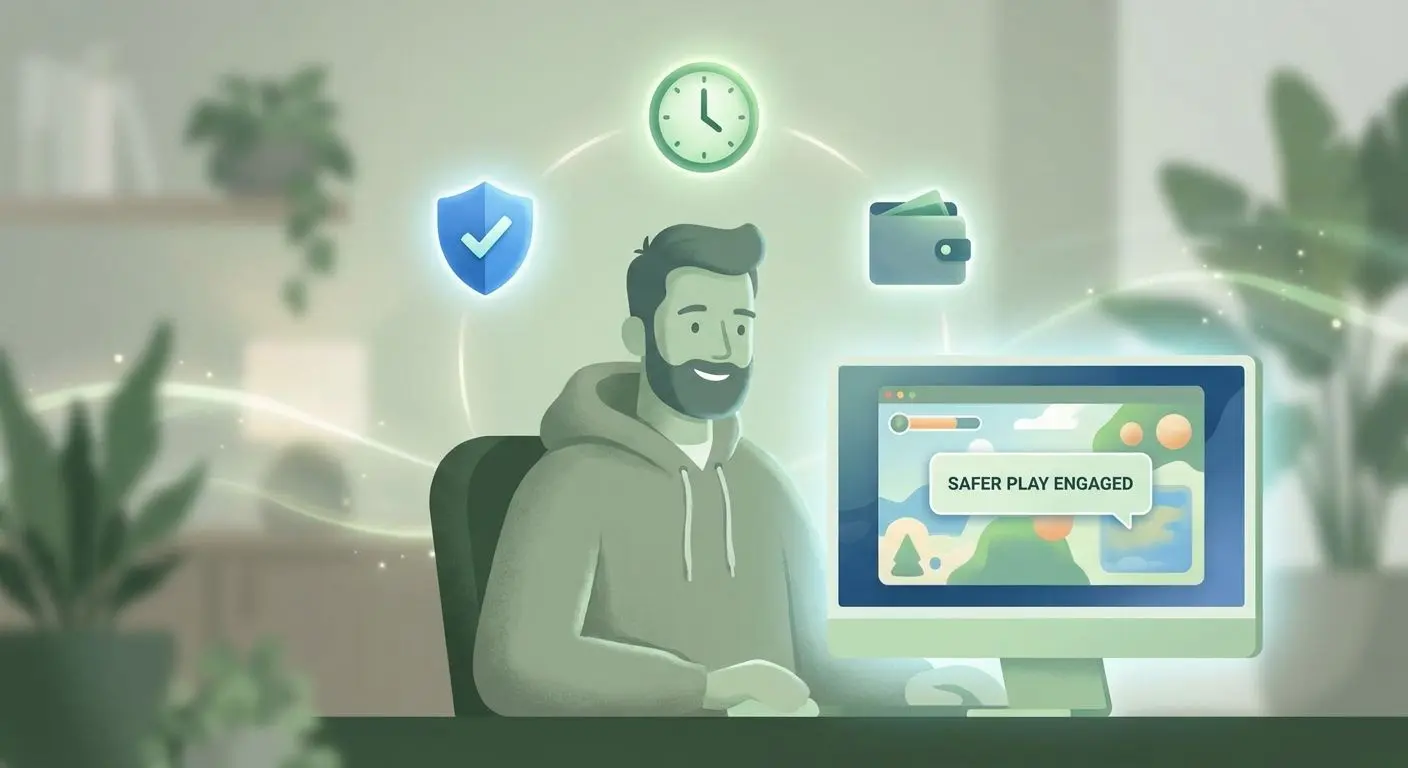
Money Management Tools: Deposit, Loss and Stake Limits
Money limits are there to help you decide in advance what feels comfortable, before emotions affect decisions. In practice, the most common tool is a deposit limit, usually set on a daily, weekly or monthly basis. Some players also look for loss limits, which work as a cap on net losses over a period, and session spend or stake controls as another layer of discipline.
In my view, the most useful part of these tools is not the number itself, but the habit behind it. You set a boundary that fits your entertainment budget and keep it separate from rent, bills, groceries or transport. If you reduce a limit, the change usually applies straight away. If you want to increase it later, that normally happens only after a short waiting period.
These settings are usually found in My Account, often under Safer Gambling or Limits.
- Set a realistic monthly play budget that is separate from essential expenses.
- Start with lower limits and review them only after some time.
- Avoid increasing limits when you are chasing losses.
- Check your settings regularly in My Account.
- Use more than one tool if spending tends to fluctuate.
Time Management: Reality Checks and Session Controls
Time can slip by quickly during online play, which is why time-based tools are useful even for players who feel comfortable with their spending. A reminder at the right moment can break automatic behaviour and help you decide whether to continue or log out.
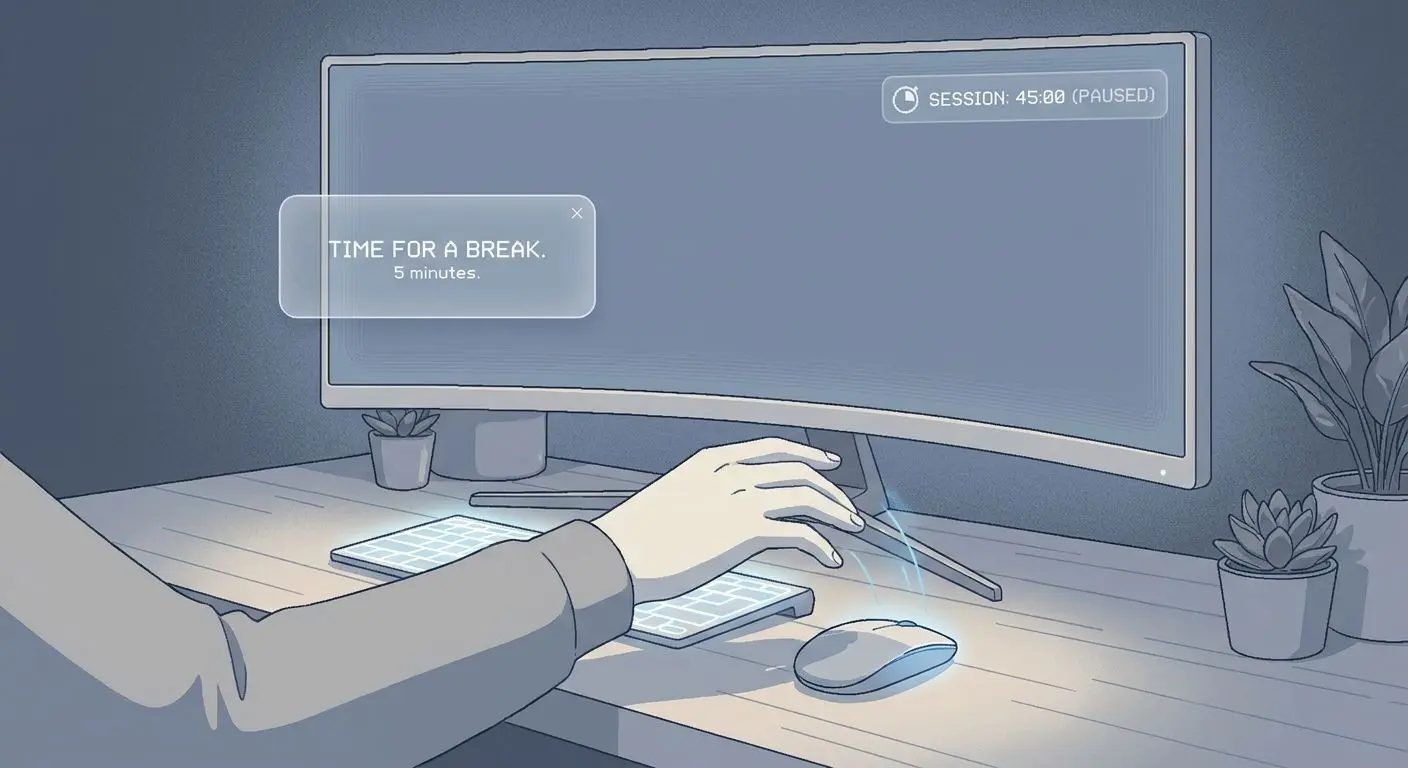
Reality checks, sometimes called game status reminders, are usually pop-up notifications shown after a chosen interval. They can display how long you have been playing and, in some cases, the overall result of that session. Session time limits go a step further and may log you out automatically after a set period.
In the Safer Gambling section of your account, you can normally choose reminder intervals such as every 15, 30 or 60 minutes as an example of how these tools may work. When a reminder appears, you can pause, stop completely, or adjust your limits before continuing.
Breaks, Cooling-Off and Self-Exclusion Options
If you feel you need distance from play, there are different levels of restriction available. Some are light-touch and short, while others are designed for longer-term protection. This is where the playojo self exclusion policy limits become especially relevant, because the right choice depends on how serious the loss of control feels.
Short Breaks and Cooling-Off
A short break can be informal: you simply step away and avoid logging in for a few days. A cooling-off period is more formal. It temporarily blocks account access for a defined period, from short 24-hour breaks to longer cooling-off periods, depending on the available settings.
During cooling-off, you should not be able to log in, deposit or use play features. Marketing communication may also be paused. This option suits players who feel pressure building and want a protected reset without choosing a long exclusion straight away.
Temporary Suspension
Temporary suspension is aimed at a longer pause, often measured in weeks or months. I’d see this as a stronger option for players who notice growing problems but are not yet ready to commit to full self-exclusion.
Depending on the account setup, this may be available through Safer Gambling settings or by asking support to apply it manually.
Self-Exclusion Policy
Self-exclusion is the strongest and most serious restriction. It is intended for players who believe they have lost control or are close to that point. During self-exclusion, the account is closed to play, deposits, bonuses and marketing messages.
As a general policy, self-exclusion cannot be cancelled early before the selected period ends. If a player wants to return after that period, support contact is usually required so the account can be reviewed before reactivation. PlayOJO encourages players to choose self-exclusion if lower-level tools are not enough.
| Tool | Typical duration | What is blocked | When to consider it |
|---|---|---|---|
| Short break | Short | No formal block unless self-managed | You want a quick pause and can step away on your own |
| Cooling-off | Short to medium | Login, deposits and play access | You need a firm reset for a limited time |
| Temporary suspension | Medium | Account access and play activity | You see patterns getting worse and need a longer pause |
| Self-exclusion | Long | Play, deposits, bonuses, marketing and account use | You feel you have lost control and need strong protection |
Request a break or self-exclusion
How to Adjust Your Limits and Get Help
In most cases, the process is straightforward. Log in, open My Account, then go to Safer Gambling or Limits. From there, choose the tool you want to apply: deposit limits, loss or stake controls, time reminders, cooling-off or self-exclusion. Review the details and confirm the action.
Some settings can usually be changed by the player without assistance, while others may require a manual request. These protections should work in the same way across the full casino games collection. They also apply independently of promotions or any welcome bonus information you may have read elsewhere on the site.
If anything is unclear, or if you want to discuss a stronger restriction, you can contact our support team.
| Tool | Where to find it in My Account | Can you set it yourself? |
|---|---|---|
| Deposit limits | Safer Gambling / Limits | Yes |
| Loss or stake limits | Safer Gambling / Limits | Yes or Need support |
| Reality checks | Safer Gambling / Time settings | Yes |
| Cooling-off | Safer Gambling / Account break | Yes or Need support |
| Temporary suspension | Safer Gambling or Support | Need support |
| Self-exclusion | Safer Gambling or Support | Need support |
- Contact support if a limit does not save correctly or access remains open after a requested restriction.
- Contact support if you think your behaviour is becoming difficult to manage.
- Contact support if you want to discuss self-exclusion or a longer suspension.
- Before getting in touch, prepare your current budget, the break length you want and any warning signs you’ve noticed.
Recognising Problem Gambling and Staying Safe
Problem behaviour often starts with small changes. Spending money that should cover essential expenses, hiding your activity from family or friends, trying to win back losses, or playing far longer than planned are all warning signs worth taking seriously.
If you are unsure, a short self-assessment on the site can help you review your habits more honestly. I also recommend talking with someone you trust if your play starts affecting sleep, mood, finances or relationships. For some people, a limit is enough. For others, a full pause works better.
| Warning sign | What it may mean | First step to take |
|---|---|---|
| Spending more than planned | Loss of budget control | Lower deposit limits immediately |
| Chasing losses | Emotional decision-making | Stop the session and set a break |
| Playing to escape problems | Reliance on play for relief | Use self-assessment and take time away |
| Hiding play from others | Shame or fear of judgement | Speak with a trusted person |
| Feeling guilty after playing | Behaviour no longer feels comfortable | Consider cooling-off or self-exclusion |

Social Responsibility and Underage Gambling
PlayOJO’s services are for adults only. Age verification may be requested, and an account can be restricted or closed if age cannot be confirmed. The same general approach to safer gambling also includes not sharing account details or device access with anyone under legal age.
If you are worried about someone close to you, speaking with family or friends is often a sensible first step. Brand social channels can also be used for general updates and information around safer play: Facebook: https://facebook.com/playojo, Instagram: https://instagram.com/playojo, X (Twitter): https://x.com/PlayOJO, YouTube: https://youtube.com/@PlayOJO.
Popular Slots at PlayOJO












About the Author
My name is Tim Mirroman, and I specialise in iGaming and responsible gaming content. For this page, I reviewed the PlayOJO policy structure, the safer gambling tools commonly available within player accounts, competitor approaches, and current industry good practice. You can find my profile here: https://www.linkedin.com/in/tim-mirroman-87b3a4237/
My main takeaway is consistent across operators: limits work best when they are easy to understand, self-exclusion should never be hard to find, and players need plain language around warning signs before problems escalate. My advice is simple. Use limits from the start, do not hesitate to ask support for stronger restrictions, and pay attention if play starts feeling secretive, rushed or hard to stop.

Responsible Gaming FAQ
How do I set or change my deposit limits at PlayOJO?
Go to My Account, then open Safer Gambling or Limits. Choose your preferred daily, weekly or monthly cap and confirm it. Lower limits usually apply immediately, while increases normally take effect only after a short waiting period. If you hit a problem, ask support for help.
What happens to my account during self-exclusion?
During self-exclusion, access to games and deposits is blocked. Bonus use and marketing communications are also typically stopped. The restriction cannot usually be cancelled before the chosen period ends, and if you want to return afterwards, support review is generally required first.
Can I shorten or cancel a cooling-off or temporary suspension?
As a general rule, these breaks are not meant to be shortened once activated. They are designed to create a guaranteed pause. If you need clarification on your current restriction or available options, please contact our support team.
Will my limits or self-exclusion apply to other PlayOJO products or devices?
Yes, in general these controls are linked to your account rather than to one device. If you log in with the same profile on mobile, tablet or desktop, the limits or self-exclusion should still apply to that account.
What should I do if I think I have a gambling problem?
Act early. Set strict limits or request self-exclusion straight away, stop playing for a period, and use the site’s self-assessment tool. It also helps to speak with someone close to you and seek professional support if the behaviour is affecting your finances, relationships or wellbeing.